Nybörjare
Hem / Nybörjare / Branschnyheter / Nonwovens Explained: How Bonded Fabrics Differ From Woven and Knitted Textiles

Nonwovens Explained: How Bonded Fabrics Differ From Woven and Knitted Textiles
Sep 23,2026
Spandex Material Explained: Stretch Properties, Blend Ratios and Mill Practice
Sep 09,2026
What Is Twill Fabric? Weave Structure, Types, Weights, and Real-World Uses
Sep 16,2026
What Is Microfiber Made Of? Polyester, Polyamide Ratios and Fiber Facts
Sep 02,2026
Sequin Yarn for Knitting: Sparkle Effects & Fashion Textiles
Aug 26,2026The wipe on a kitchen counter, the filter cartridge inside a car cabin, the geotextile sheet buried under a highway base course, and the gown a nurse changes between patients share one construction detail: not one of them contains a single woven or knitted thread. They are all nonwovens, the engineered fibrous fabrics whose global output now runs into the millions of tonnes every year.
Yet many product teams still specify nonwovens as if they were ordinary cloth, and the mistake surfaces later as failed absorbency tests, delaminating laminates, or supplier quotes that cannot be compared. This guide explains what nonwovens are under the ISO definition, how the four dominant processes differ, where bonded fabrics beat woven and knitted textiles, and which six specifications to settle before requesting a price. The framing stays practical because the boundary between bonded fiber and conventional textile runs straight through our own product range at JinDun Textile Co., Ltd., a Zhejiang-based yarn and fabric maker with roughly 18 years in the trade.
Short answer: a nonwoven is a manufactured sheet of fibers bonded by mechanical, thermal, or chemical means instead of being woven or knitted. ISO 9092, the international vocabulary standard for textiles, anchors the category in exactly those terms, and labeling and customs classifications lean on that wording.
EDANA in Europe and INDA in North America, the two industry associations behind most technical literature, stress the same core idea: the fabric is engineered fiber by fiber rather than formed by interlacing yarns. Three consequences follow for buyers:
The last point matters commercially: a plastic film becomes a nonwoven only once it is fibrillated or bonded into a fibrous web, and a wet-laid line leaves papermaking only when fiber length and bonding chemistry say so.
The process, more than the polymer, decides what a nonwoven sheet can do and what it costs, so choose the production route before arguing about resin prices. Most volume production falls into the four families below.
| Process | Web formation | Bonding method | Typical weight | Signature uses |
| Spunbond | Continuous filaments extruded from molten polymer and laid directly | Thermal point bonding | 15 to 80 gsm | Hygiene backsheets, shopping bags, crop covers |
| Melt-blown | Polymer streamed into microfibers by hot air | Self-entanglement | 20 to 40 gsm | Respirator media, oil absorbents, barrier layers |
| Spunlace | Carded staple fiber web | High-pressure water jets | 35 to 90 gsm | Wipes, medical gowns and drapes |
| Needle-punch | Carded, cross-lapped staple web | Barbed needles interlock fibers | 120 to 400 gsm | Geotextiles, automotive interior panels |
Air-laid and wet-laid lines form a quieter fifth family that blurs into papermaking; the split is fiber length and bonding chemistry rather than machinery. The boundary even reaches specialty spinning, where some mills spin genuine yarn from paper itself.
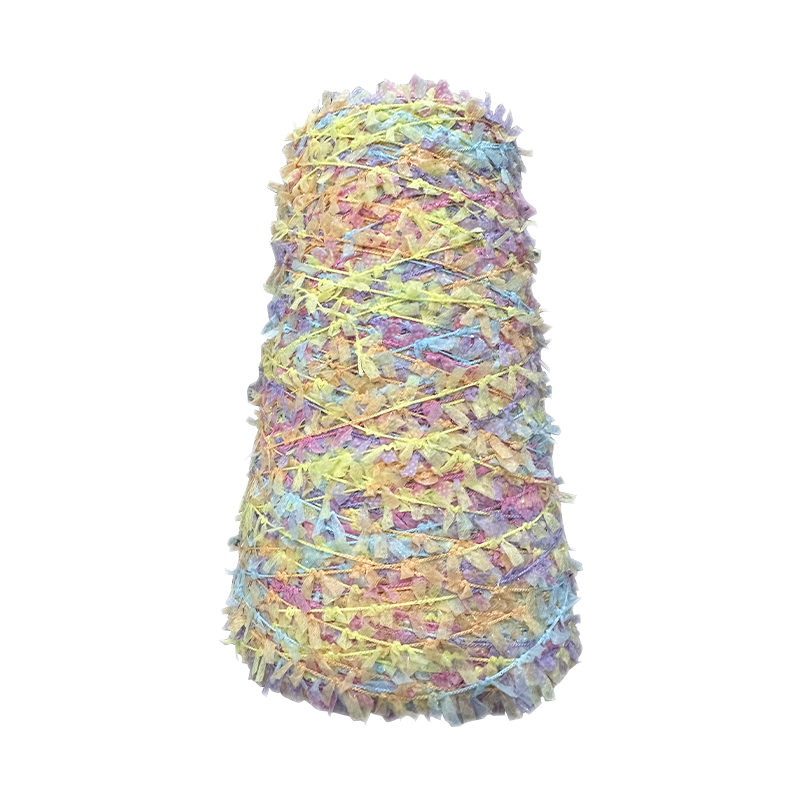 Paper Yarn for Fashion and Handicrafts A specialty yarn spun from paper, offering lightness and breathability with a distinctive texture suited to gowns and crafts. It fits the discussion of mills spinning genuine yarn from paper itself. View Product →
 Bottom line: nonwovens win on line speed, unit cost, and single-function performance, while woven and knitted constructions keep the advantage wherever durability, drape, and repeated laundering decide the purchase.
The laundering test is the cleanest divider. Bonded webs rely on entanglement or thermal bond points that relax under repeated washing, while woven and knitted structures redistribute load across interlaced yarns. If you are weighing the two conventional routes against each other, our explainer on how knitted fabric differs from woven fabric covers the stitch geometry in detail.
Protective workwear shows the logic at its sharpest: flame resistance must survive industrial washing week after week, so durable FR garments start from woven or knitted fabric rather than a bonded web.
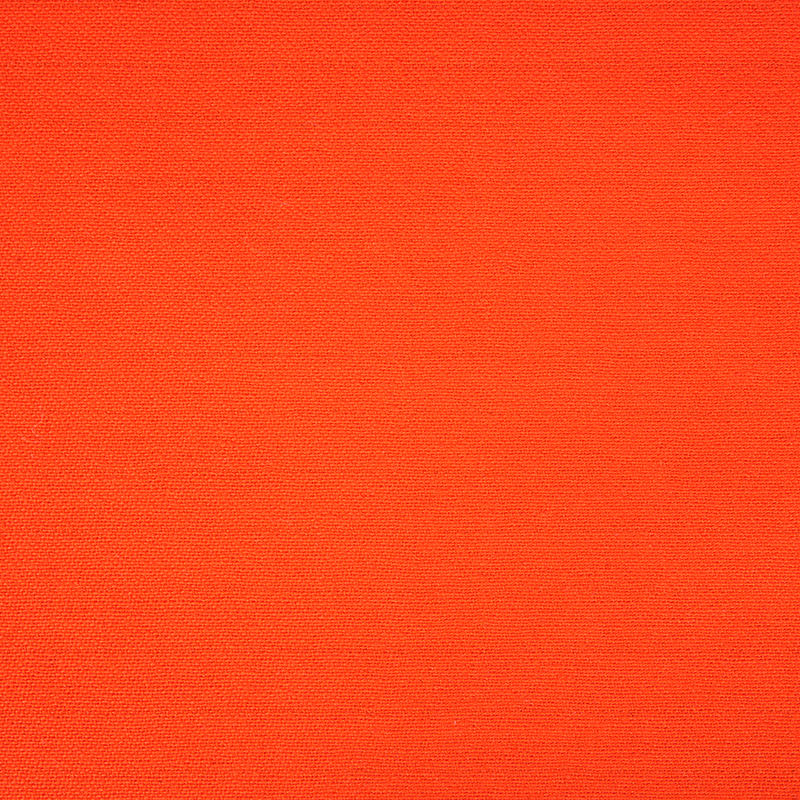 Cotton Fireproof Fabric for Protective Workwear Flame-retardant treated cotton fabric designed for firefighting uniforms and welding attire. It illustrates why durable FR garments rely on woven or knitted constructions that survive repeated industrial laundering. View Product →
 If the article is used for one shift and then discarded, nonwovens usually win on total cost; if it goes through an industrial laundry every week, the higher unit price of woven or knitted fabric repays itself.
Polypropylene dominates nonwovens because it is light, cheap, and thermally bondable, but the input you choose decides your sustainability story as much as your price.
The main inputs, and the trade-offs behind them:
Sustainability questions now arrive before price questions do. Buyers ask for Oeko-Tex Standard 100 when the sheet touches skin, and for GRS, the Global Recycled Standard, when recycled content is claimed, with the certificate naming the exact product scope.
Film sits just outside the ISO definition: a plastic sheet counts as a nonwoven only once it is fibrillated or bonded into a fibrous web. The boundary is commercially real because films and nonwoven layers meet inside the same hygiene and packaging laminates, and PET film is the base material we produce for metallic yarn on the other side of that line.
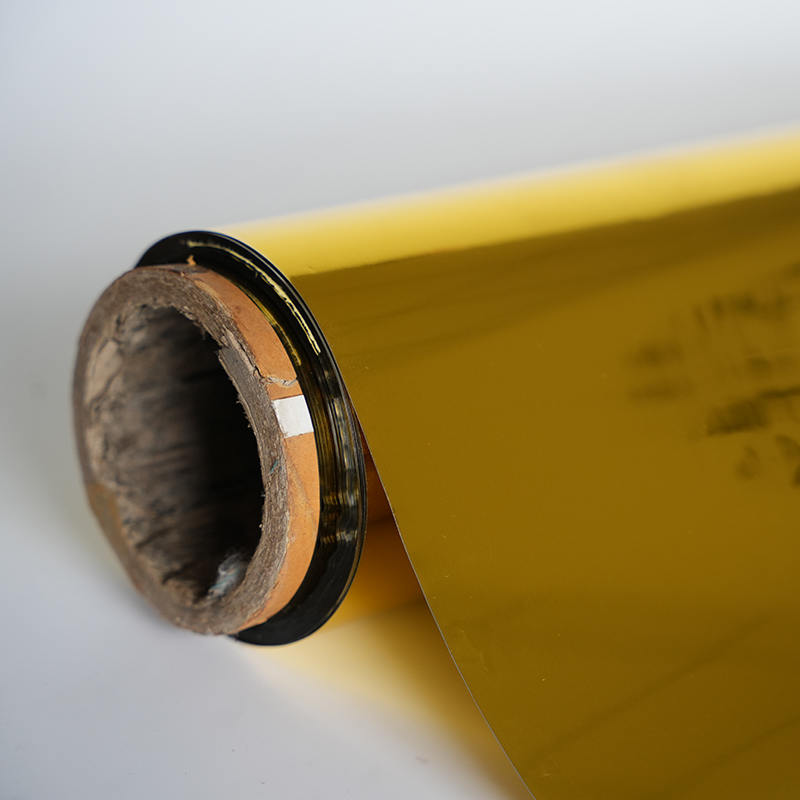 PET Film for Packaging and Metallic Yarn A versatile polyester film used in flexible packaging, laminates, labels, and decorative applications. As the base material for the company's metallic yarn, it shows how film sits adjacent to nonwoven production. View Product →
 Ask suppliers to name the polymer grade, not just the fiber family. Melt-flow index and additive packages change bonding behavior on the same line, which is why two polypropylene grades rarely produce identical webs.
Most nonwoven disputes trace back to specifications that were never written down, so settle these six points before comparing prices:
Yes. Spelling varies by region and house style, but both terms describe the same category of bonded fibrous sheets defined in ISO 9092, so search both when comparing specifications.
Some can. Needle-punched geotextiles and heavy spunbond composites are engineered for years of service, while most spunlace hygiene products are designed for one use. Judge washability per product, never per category.
Not automatically. Polypropylene webs are lightweight and recyclable where collection streams exist, viscose and cotton blends biodegrade faster, and recycled content can be documented under GRS. The honest comparison is life-cycle based: weight, transport, use phase, and end-of-life route all count.
Most spunlace wipes sit between 40 and 70 gsm: lighter for cosmetic and flushable pads, heavier for industrial and foodservice use. If the wipe must hold solvent or survive rinsing without tearing, move to the upper end and verify wet tensile strength with the supplier first.
Din e -postadress publiceras inte. Obligatoriska fält är markerade *